
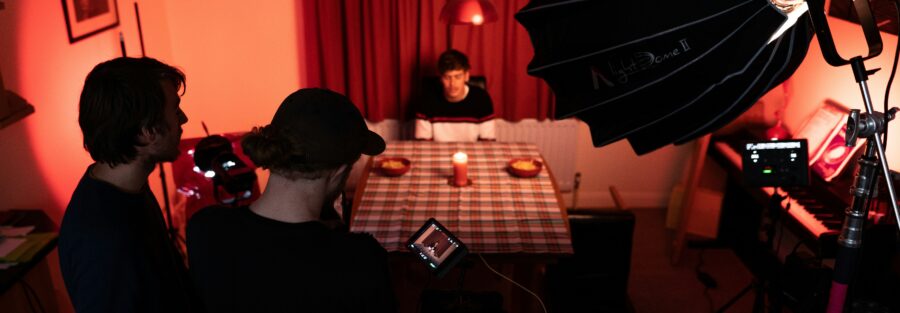
Discover the best lighting hacks for videography and learn how to create professional video content using natural light, LED lighting, cinematic techniques, and creative video production strategies.
The difference between an average video and a professional-looking production often comes down to one thing you may easily overlook: lighting. You can own an expensive camera, high-end lenses, and advanced editing software, but poor lighting can still make your footage appear flat, dull, or unprofessional. On the other hand, good lighting can transform even simple video setups into visually stunning content that immediately captures attention.
If you want your videos to stand out online, understanding lighting techniques is one of the most important skills you can develop as a videographer or content creator. Whether you are filming interviews, social media videos, YouTube content, documentaries, product promotions, or corporate campaigns, lighting directly affects the quality, mood, and emotional impact of your visuals.
Modern video platforms like YouTube, Instagram, and TikTok reward visually engaging content because viewers naturally spend more time watching high-quality videos. This means better lighting not only improves appearance but can also increase audience retention, social media engagement, and online visibility.
Introduction to Professional Video Lighting
Lighting does much more than brighten a scene. It shapes emotions, directs attention, creates atmosphere, and helps tell stories visually. When used correctly, lighting can make your subject appear confident, dramatic, friendly, mysterious, or cinematic depending on the mood you want to create.
As a videographer, you should think of lighting as a storytelling tool rather than simply a technical requirement. Every shadow, highlight, and reflection influences how viewers experience your content.
Professional filmmakers spend a significant amount of time adjusting lights because small changes can dramatically affect the final result. Fortunately, you do not always need expensive studio equipment to improve your lighting. Understanding a few essential techniques can help you create better videos using affordable tools and even natural light.
If you are serious about video production, learning how to control light will instantly improve your content quality and strengthen your visual storytelling.
Understanding the Three-Point Lighting Setup
One of the most important lighting techniques in videography is the three-point lighting system. This setup creates balance, depth, and professional image quality in almost any filming situation.
The first light is called the key light, which acts as the primary source of illumination for your subject. This light usually determines the overall brightness and mood of the scene.
The second light is the fill light, which softens shadows created by the key light. Without fill lighting, shadows may appear too harsh and distracting.
The third light is the back light or rim light, which separates the subject from the background and creates visual depth. This subtle effect helps your videos feel more cinematic and polished.
When you understand how these three lights work together, you can create balanced visuals that look professional even in simple filming environments.
Using Natural Light for Better Video Quality
Natural light is one of the most powerful tools available to any videographer. If you learn how to use sunlight effectively, you can create beautiful videos without spending heavily on lighting equipment.
Golden hour, which occurs shortly after sunrise or before sunset, provides soft and warm lighting that flatters skin tones and enhances cinematic visuals. Many professional filmmakers prefer this time because the sunlight feels natural and visually pleasing.
Harsh midday sunlight can create strong shadows and uneven exposure, so using diffusers or shaded areas can help soften the light. Simple tools like curtains, white fabric, or reflectors can make a huge difference in controlling sunlight.
Positioning your subject near a window is another effective way to achieve soft indoor lighting. Window light often creates a clean and professional look that works perfectly for interviews, social media videos, and YouTube content.
You can learn more about professional lighting techniques through resources available on Adobe Creative Cloud, where many creators explore cinematic lighting setups and video production strategies.
Why Diffused Light Creates Better Videos
Direct light often creates hard shadows and bright highlights that may not look flattering on camera. Diffused light softens these harsh effects and creates a smoother, more cinematic appearance.
Softboxes are commonly used in professional studios because they spread light evenly across the subject. However, you can also create diffusion using affordable materials like white bedsheets, shower curtains, or parchment paper.
The closer the light source is to your subject, the softer the light usually becomes. This is why many beauty creators and interview videographers position large soft lights near the face to create smoother skin tones and natural-looking shadows.
Diffused lighting works especially well for product videos, portraits, tutorials, and social media content because it creates clean and visually pleasing footage.
When your lighting feels soft and balanced, viewers often perceive your content as more professional and trustworthy.
Creating Cinematic Mood With Practical Lights
Practical lights are visible light sources that appear within your video scene, such as lamps, candles, computer screens, or neon signs. These lights add realism and atmosphere while helping your videos feel more cinematic.
For example, warm lamp lighting can create a cozy and intimate mood during interviews or storytelling scenes. Colored LED lights can introduce creative visual styles that match your brand personality or emotional tone.
You can experiment with practical lighting to make backgrounds more interesting and visually layered. Instead of leaving your background dark or empty, adding small practical lights creates depth and makes your videos feel more dynamic.
Creative lighting styles are commonly used by content creators on YouTube Studio because visually engaging environments often improve watch time and audience retention.
Practical lighting helps your videos feel intentional rather than flat or overly staged.
Controlling Shadows for Dramatic Effects
Shadows are not always bad. In fact, controlled shadows can add depth, emotion, and artistic style to your videos.
Side lighting creates contrast that sculpts facial features and adds dimension to your subject. This technique is often used in cinematic interviews and dramatic storytelling scenes.
Low-key lighting, which uses deeper shadows and limited illumination, creates mystery and emotional intensity. High-key lighting, on the other hand, produces bright and evenly lit scenes that feel cheerful and clean.
You can also experiment with silhouettes by placing your subject in front of a bright background. Silhouette shots create dramatic visuals that immediately capture attention.
Understanding shadow control allows you to influence how viewers emotionally respond to your content.
Balancing Color Temperature for Professional Results
Color temperature affects the emotional tone and consistency of your videos. Warm lighting often creates feelings of comfort and intimacy, while cool lighting can make scenes feel modern, clean, or dramatic.
Problems occur when different light sources produce conflicting color temperatures. For example, mixing warm household bulbs with cool daylight can create unnatural skin tones and inconsistent visuals.
Most modern cameras allow you to adjust white balance settings manually to maintain accurate colors. LED lights with adjustable color temperatures also give you greater flexibility during filming.
Maintaining consistent color tones throughout your footage creates a more polished and professional appearance.
For deeper learning about color correction and video production, creators often explore educational tools from Canva Video Editor and other online editing platforms.
Why LED Panels Are Essential for Videography
LED panels have become one of the most popular lighting tools for modern videographers because they are portable, affordable, and easy to control.
Unlike traditional lighting systems, LED lights produce less heat and consume less energy. They also allow you to adjust brightness and color temperature quickly without changing equipment.
LED panels work especially well for interviews, social media videos, product photography, and mobile content creation because they are lightweight and flexible.
Many creators use multiple LED panels to achieve balanced lighting setups that reduce harsh shadows and improve image quality.
If you regularly create video content, investing in quality LED lighting can significantly improve your production value.
Using Reflectors to Improve Lighting Naturally
Reflectors are simple but powerful tools that help bounce light back onto your subject. Instead of adding another light source, reflectors redirect existing light to fill shadows and improve exposure.
White reflectors create soft and natural-looking light, while silver reflectors produce brighter and more dramatic reflections. Gold reflectors add warm tones that work beautifully during outdoor shoots.
Even walls, ceilings, or white surfaces can act as natural reflectors during filming.
Reflectors are especially useful when working with natural sunlight because they help balance lighting without requiring expensive equipment.
This technique is commonly used in portrait videography and outdoor filming because it creates more even and flattering visuals.
Adding Depth Through Background Lighting
One common mistake in video production is lighting only the subject while ignoring the background. Proper background lighting creates separation and depth, making your videos feel more cinematic.
Adding subtle LED lights, accent lights, or practical lights behind the subject helps create layered visuals that feel more immersive.
Rim lighting around the edges of your subject also enhances separation from the background, improving clarity and professional appearance.
Background lighting can influence mood as well. Blue tones may create a calm or modern atmosphere, while warm orange tones often feel inviting and emotional.
When your scene contains depth and visual contrast, audiences remain more engaged because the video feels richer and more dynamic.
Experimenting to Develop Your Lighting Style
Every filming environment is different, which means lighting often requires experimentation and adjustment. Instead of relying only on presets or tutorials, you should test different setups to discover what works best for your creative style.
Moving lights slightly higher, lower, closer, or farther away can completely change the mood of a scene. Small adjustments in brightness and angles often produce dramatic visual differences.
Testing your lighting before filming also helps you identify unwanted shadows, reflections, or exposure issues.
As you gain experience, you will begin developing your own signature visual style that reflects your creativity and storytelling approach.
Experimentation is one of the best ways to grow as a videographer and improve the quality of your work consistently.
Conclusion
Lighting is one of the most powerful elements in professional videography because it shapes mood, improves image quality, and strengthens storytelling. When you understand techniques such as three-point lighting, natural light control, diffused lighting, shadow placement, and background illumination, you can create videos that look polished and visually engaging.
You do not need the most expensive equipment to produce professional content. With creativity, practice, and a strong understanding of lighting principles, you can transform ordinary scenes into cinematic experiences that capture attention online.
As video marketing and content creation continue growing across digital platforms, strong lighting skills will help your videos stand out and connect with audiences more effectively.
Are you ready to create professional video content with stunning lighting and cinematic visuals that capture attention instantly?
Connect with No Limit Eagles Media Solutions today and discover how expert videography and creative lighting techniques can help your brand produce engaging videos that leave a lasting impression.
