
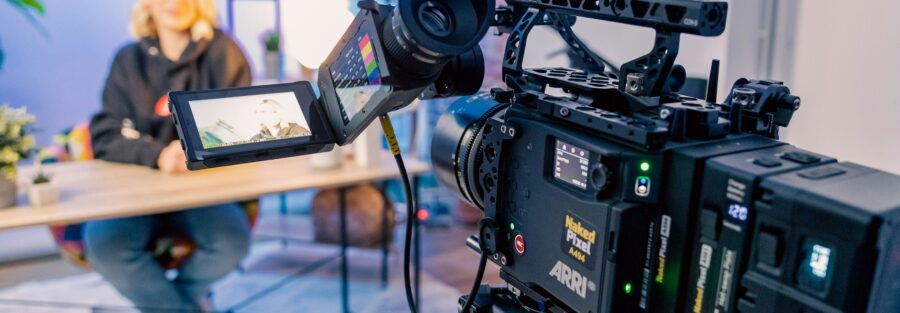
Creating a professional video is an intricate process that goes far beyond simply pointing a camera and pressing record. At No Limit Eagles Media Solutions, every shoot involves meticulous planning, collaboration, and creativity to produce content that captivates audiences and strengthens brand messaging. Whether it’s a corporate video, commercial, social media campaign or documentary, understanding the behind-the-scenes process gives insight into the dedication, strategy and expertise involved in professional video production.
1. Pre-Production: Planning for Success
The success of any video shoot starts long before filming begins. Pre-production is where ideas take shape, scripts are written, storyboards are created, and logistics are planned.
- Concept Development: At No Limit Eagles Media Solutions, our creative team works closely with clients to define the video’s purpose, target audience and key message.
- Scriptwriting: A well-crafted script ensures clarity and flow. It details dialogue, visuals, and shot sequences to keep the production organized.
- Storyboarding: Visual representations of scenes help the team visualize camera angles, lighting setups, and scene transitions.
- Location Scouting and Scheduling: Identifying the perfect locations, securing permissions, and coordinating schedules ensures a smooth shoot day.
By investing time in pre-production, brands can avoid costly mistakes, maintain creative direction, and ensure that everyone involved knows exactly what to expect.
2. Assembling the Crew
A professional video shoot relies on a skilled crew working in harmony. Every team member plays a vital role in bringing the vision to life.
- Director: Guides the overall creative vision, directs talent, and ensures the story is effectively communicated.
- Camera Operators: Handle cameras, framing, and camera movement for high-quality visuals.
- Lighting Technicians: Set up lighting to enhance mood, focus attention, and maintain visual consistency.
- Sound Engineers: Capture crisp audio and manage microphones, sound mixers, and ambient noise.
- Production Assistants: Support logistics, props, and coordination on set.
Collaboration among the crew ensures the shoot runs efficiently, and every detail is captured perfectly.
3. Setting Up the Equipment
Professional video production requires specialized equipment to achieve cinematic quality. On a typical shoot day, the team sets up:
- Cameras, lenses, tripods, gimbals and drones
- Lighting rigs, softboxes and reflectors
- Microphones, boom poles, and sound recorders
- Backdrops, props, and set pieces
Each piece of equipment is carefully positioned to achieve the desired visual and audio effect. Proper setup ensures that footage is high-quality and reduces the need for reshoots.
4. Directing Talent and Action:
Whether the video ivolves professional actors, company employees, or client testimonials, guiding talent is essential for natural and engaging performances.
- Briefing: Talent receives instructions on dialogue, movement, and timing before filming begins.
- Multiple Takes: Scenes are recorded multiple times from different angles to provide options during editing.
- Continuity: Attention to detail ensures wardrobe, props, and actions remain consistent across shots.
A professional director ensures that every performance aligns with the brand’s messaging and the story’s emotional impact.
5. Capturing B-Roll and Supporting Shots
B-roll is supplemental footage that adds depth and context to the main scenes. It can include:
- Product close-ups
- Behind-the-scenes moments
- Environmental shots of the office or location
- Lifestyle imagery showing people interacting naturally
B-roll is essential for smooth editing, transitions, and storytelling, giving the video a polished and cinematic feel.
6. Managing Lighting and Sound
Lighting and sound are crucial for professional-quality video.
- Lighting: Proper lighting enhances mood, highlights the subject, and ensures a clean, professional look. Soft lighting can create warmth, while high-contrast setups evoke drama.
- Sound: Clear audio is just as important as visuals. Microphones, soundproofing, and ambient noise control are all carefully managed to prevent distractions.
Good lighting and sound are often invisible to viewers, but they dramatically impact the video’s overall quality and viewer engagement.
7. On-Set Problem Solving
No shoot is without challenges. From unexpected weather changes to equipment malfunctions, the team must be ready to adapt.
- Quick adjustments to lighting or camera angles
- Managing scheduling conflicts or last-minute talent changes
- Ensuring safety and efficiency on set
Professional crews thrive on problem-solving to maintain the quality and continuity of the production.
8. Post-Production Preview on Set
Some shoots include on-set previews of footage to ensure shots meet expectations. This allows the director and client to identify any missing elements or adjustments needed before the crew packs up.
Reviewing footage immediately helps prevent costly reshoots and ensures the vision is realized accurately.
9. The Importance of Collaboration
A successful video shoot is a team effort. Every department, from production assistants to post-production editors, contributes to the final product. Open communication, planning, and trust between the crew and client make the difference between an average video and an exceptional one.
Final Thoughts: Behind the Scenes Magic
While viewers often only see the polished final product, the magic happens behind the scenes. From pre-production planning to post-shoot coordination, every detail is meticulously managed to ensure a professional video that tells a compelling story.
At No Limit Eagles Media Solutions, we pride ourselves on our expertise, creativity, and dedication to producing high-quality videos that elevate brands. Understanding the behind-the-scenes process highlights the craftsmanship, collaboration and care that go into every production.
Whether it’s a corporate video, promotional content, or social media campaign, the attention to detail and professional workflow ensures that your message is communicated effectively and resonates with your audience.
